
Mold Testing in Richland Center, PA

Get Real Answers About What's Growing in Your Home

Independent testing with lab-backed results—no upselling, no conflict of interest, just the truth about your indoor air quality.

Hear from Our Customers

Professional Mold Testing in Richland Center

Know Exactly What You're Dealing With Before You Spend a Dime

You shouldn’t have to guess whether that musty smell is a $200 fix or a $5,000 problem. And you definitely shouldn’t get your testing done by the same company that profits from telling you there’s a major issue.

That’s where independent mold testing makes all the difference. We don’t do remediation work—we just test. That means our only job is to tell you what’s actually there, where it’s growing, and whether it’s the kind that requires action or just better ventilation.

About 35-40% of the time, testing reveals simple, affordable fixes. No tear-out. No reconstruction. Just practical steps you can take yourself or with a handyman. The other times, you’ll have documentation that shows exactly what needs to happen—and proof to back it up if you’re dealing with insurance, a contractor, or a buyer who’s asking questions.

You’ll get lab results that identify the specific mold types in your home, air quality readings that show contamination levels, and a clear breakdown of what’s urgent and what’s not. That’s the kind of clarity that saves money and stops problems before they get worse.

Mold Testing Company Serving Richland Center

We Test Mold. We Don't Remove It. That's the Point.

We’ve been helping homeowners in Bucks County since 2002. We’ve built our reputation on doing one thing right—giving you unbiased mold testing that isn’t tied to a sales pitch.

Pennsylvania is actually moving toward making it illegal for companies that do remediation to also perform inspections. The conflict of interest is that obvious. When the same crew that finds the mold is the one who gets paid to remove it, the incentive to exaggerate is hard to ignore.

We keep it clean. You get testing, lab analysis, and a report. What you do with that information is entirely up to you. If you need remediation, we’ll tell you. If you don’t, we’ll tell you that too. Richland Center’s older homes and humid Pennsylvania summers create plenty of real mold issues—we don’t need to invent them.

How Our Mold Testing Process Works

Here's What Happens From Start to Finish

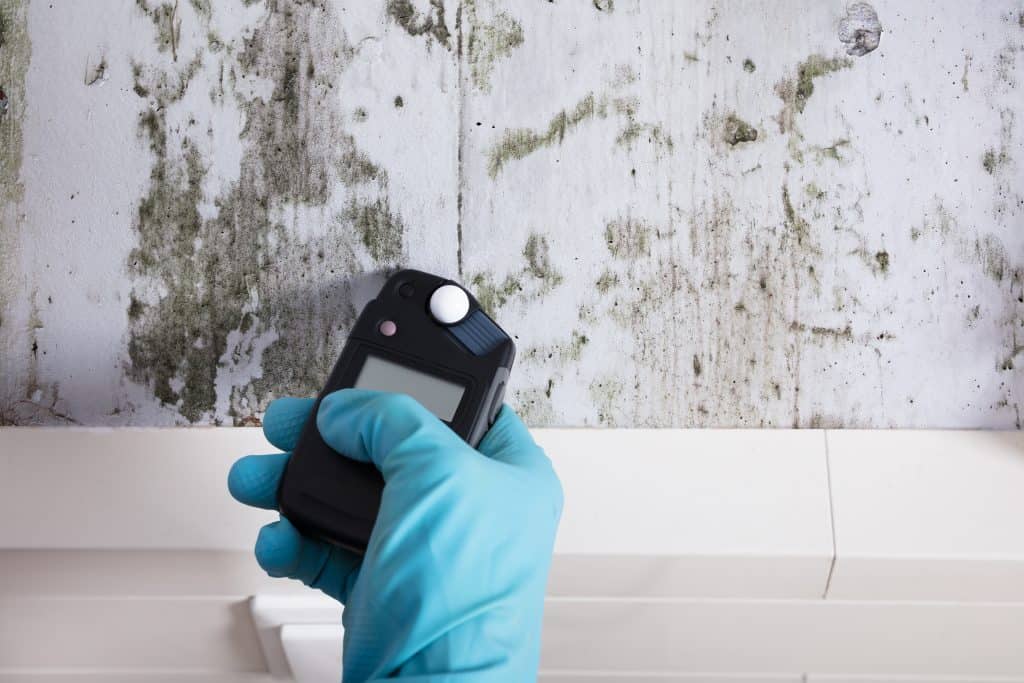
We start with a visual inspection of your property, checking the obvious spots and the hidden ones—crawl spaces, behind appliances, around HVAC systems, anywhere moisture tends to settle. We use moisture meters and thermal imaging to find areas where conditions are right for mold growth, even if you can’t see it yet.

Next, we collect air samples and surface samples depending on what the situation calls for. Air samples measure spore levels throughout your home. Surface samples test visible growth to identify exactly what species you’re dealing with. Both get sent to an accredited lab for analysis.

Within a few days, you’ll get a full report that breaks down what was found, where the contamination is, and what it means for your health and your property. We’ll walk you through the results in plain language and give you recommendations based on the severity. If it’s minor, we’ll tell you how to handle it. If it’s serious, you’ll have the documentation you need to hire a remediation company with confidence—and the leverage to make sure they’re not overselling you.

Ready to get started?

Explore More Services

About Mack's Mold Removal

Residential Mold Testing in Richland Center, PA

What's Included in a Professional Mold Inspection

Every mold testing service we perform includes a thorough visual inspection using moisture detection tools, air quality sampling, and surface testing where needed. You’ll receive lab results from a certified facility that identify mold species, spore counts, and contamination levels in different areas of your home.

Richland Center sits in Bucks County, where Pennsylvania’s humidity and older housing stock create a higher-than-average risk for mold growth. Homes here deal with everything from basement moisture and roof leaks to condensation issues during winter heating season. About 70% of homes nationwide have some level of mold present—but not all of it is dangerous, and not all of it requires expensive remediation.

Our testing helps you separate the real problems from the false alarms. We’ll also give you a written assessment that explains whether the mold is toxic, allergenic, or just cosmetic. You’ll know if your kids are breathing in something harmful or if it’s just an ugly spot that needs cleaning. And if you’re buying or selling a home in Richland Center, you’ll have third-party documentation that removes the guesswork and protects everyone involved.

The whole process typically costs between $300 and $670 depending on the size of your home and how many samples are needed. That’s a small price compared to the cost of ignoring a problem that could drop your home’s value by 20-37%, or worse—paying for remediation you didn’t actually need.

How do I know if I actually need mold testing or if I'm overreacting?

If you’re smelling something musty, seeing discoloration on walls or ceilings, or dealing with unexplained respiratory issues that get better when you leave the house—you’re not overreacting. Those are legitimate signs that mold might be present.

Mold testing makes sense when you can’t see the source but know something’s off, when you’ve had water damage and want to confirm it didn’t lead to growth, or when someone in your home has asthma or allergies that seem worse indoors. It’s also smart if you’re buying a home in Richland Center and want to know what you’re getting into, especially with older properties where hidden moisture issues are common.

Testing gives you clarity. It tells you whether your concern is justified and whether the problem is something you can manage on your own or if it requires a professional fix. You’re not paying for peace of mind—you’re paying for facts.

Free inspections are almost always offered by companies that also do mold remediation. They’re not charging you upfront because they’re hoping to sell you a removal project on the back end. That’s not inherently dishonest, but the conflict of interest is real—and in many states, it’s actually illegal.

Paid testing from an independent company means you’re getting an unbiased assessment. We don’t make more money if we find mold. We don’t lose money if your home is clean. Our job is to test, analyze, and report. That’s it.

The other big difference is lab work. Free inspections often rely on visual assessment and maybe a swab test. Professional mold testing includes air sampling and lab analysis from a certified facility, which tells you not just that mold is present, but what kind, how much, and whether it’s a health risk. That level of detail matters when you’re deciding whether to spend thousands on remediation or fifty bucks on a dehumidifier.

The inspection itself usually takes one to two hours depending on the size of your home and how many areas we’re testing. We’re checking everywhere moisture could be hiding—basements, attics, crawl spaces, around windows, under sinks, near HVAC systems.

Once we collect the samples, they go to the lab for analysis. You’ll typically get results back within three to five business days. The report will show exactly what was found, where it was found, and what the spore counts look like compared to safe levels.

After that, we’ll walk you through the findings and explain what they mean in practical terms. If there’s an issue, we’ll tell you how urgent it is and what your options are. If it’s minor, we’ll explain what you can do yourself. If it’s serious, you’ll have the documentation you need to get quotes from remediation companies and make sure they’re being straight with you.

You can, but those kits are pretty limited. Most of them just tell you that mold is present—which isn’t all that useful since mold exists in almost every home to some degree. What you really need to know is what type of mold it is, how much of it is in your air, and whether it’s actually a health risk.

DIY kits also don’t account for hidden mold. You might test a visible spot and get a result, but miss the bigger problem growing behind a wall or under flooring. Professional testing uses air sampling to measure what’s circulating through your home, not just what’s on the surface.

The other issue is interpretation. Even if a DIY kit gives you a result, it won’t tell you what to do about it. Is it black mold? Is it toxic? Does it need to be removed, or can it be cleaned? Should you be worried about your kids, or is it harmless? A professional mold inspection answers all of that with lab-backed data and a clear action plan. For a few hundred dollars, it’s worth getting it done right the first time.

The term “black mold” gets thrown around a lot, but it’s not always accurate. Stachybotrys chartarum is the species most people mean when they say black mold, and yes, it can produce toxins that cause respiratory problems, headaches, and other health issues—especially in kids, elderly people, and anyone with asthma or a weakened immune system.

But not all black-colored mold is Stachybotrys, and not all dangerous mold is black. Aspergillus, Penicillium, and Cladosporium are other common indoor molds that can trigger allergic reactions or respiratory issues depending on the person and the exposure level. Some molds are mostly cosmetic. Others are legitimately harmful.

That’s why testing matters. A lab analysis identifies the exact species in your home and measures the concentration. You’ll know whether you’re dealing with something that needs immediate removal or just better ventilation and humidity control. Richland Center’s climate makes mold growth more likely, but that doesn’t mean every spot of mold is a crisis. Testing separates the real threats from the overreactions.

Good mold testing does both. We’re not just swabbing a spot and calling it a day. Part of the inspection is identifying the moisture source that’s allowing mold to grow in the first place—because without fixing that, removal is just a temporary fix.

We’ll check for leaks, condensation, poor ventilation, humidity levels, and any other conditions that create a mold-friendly environment. That might mean a roof leak you didn’t know about, a crawl space that’s not properly sealed, or an HVAC system that’s circulating damp air. Pennsylvania homes, especially older ones in Bucks County, are prone to these issues.

The report you get will explain not just what mold is present, but where the moisture is coming from and what needs to change to prevent it from coming back. If you skip that part and just clean up the visible mold, you’re going to be dealing with the same problem again in six months. Testing gives you the full picture so you can actually solve it.

Other Services we provide in Richland Center